Two People Rummaging Through Trash Late at Night
Estela Young
全文共 958 字,阅读需要 6 分钟 Two People Digging Through Trash Late at Night The late‑autumn evenings in Hangzhou have started to feel a bit chilly. At around 9:30 p.m. on such a cool night,...

全文共 958 字,阅读需要 6 分钟
Two People Digging Through Trash Late at Night
The late‑autumn evenings in Hangzhou have started to feel a bit chilly.
At around 9:30 p.m. on such a cool night, under dim lighting, a man and a woman were using their phones’ flashlights to sift through the trash bins at the entrance of an apartment building. They emptied bag after bag, like treasure hunters, working with great concentration.
After a few bags, the man shouted excitedly, “Found it! Found it! Trash from unit 304—look, the take‑out receipt is on it!” They glanced at each other and broke into happy smiles.
Who are they?
Why are they rummaging through trash late at night?
Welcome to this episode of Walking into Science (feel free to imagine the show’s theme music in the background).
All Because of a Designated Trash Collection Point
The absurd scene above isn’t fiction; it actually happened yesterday in the residential complex where I rent.
The two trash‑diggers are the community’s security guard and a staff member. They were trying to identify who had been littering.
It’s a decent community, and most residents are office workers from nearby companies—people you’d expect to be fairly considerate. So why the littering?
The story begins with the designated trash collection points.
- Historically, the property management set up a trash collection point at the entrance of each building block.
- At the beginning of the year, to comply with Hangzhou’s waste‑sorting initiative, the management removed those per‑building bins and installed two fixed collection points for the whole complex, as shown in the picture.
- The fixed points are relatively far from each building, requiring residents to make a special trip just to throw away garbage.

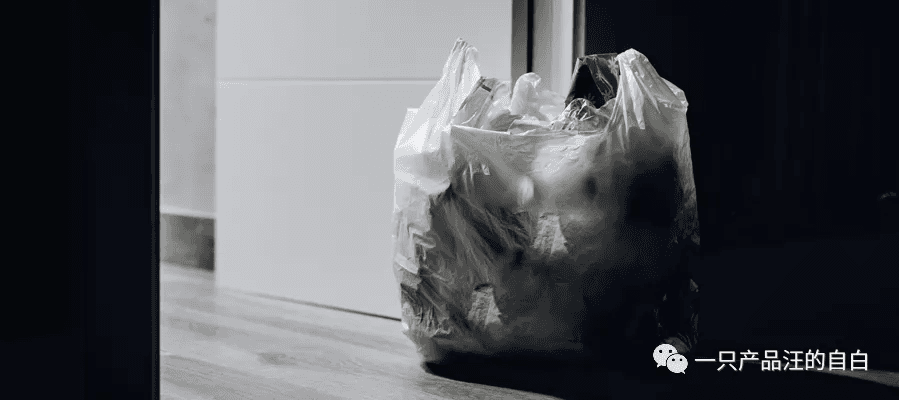
- One day, someone tossed a bag of trash at a building entrance. By the afternoon it had turned into a pile of rubbish, which the management eventually cleared.
- From then on, trash began appearing daily at the building entrances, forcing the staff to clean it up every day.
- Not long after, the management posted a notice: “Fine for littering: ¥50–200.”

- After the notice went up, the litter didn’t disappear; it didn’t even decrease. I suspect residents felt there was no surveillance and no enforcement, so no one was being fined.
- Yesterday, the security guard and staff were digging through the trash, trying to pinpoint the litterer. I guess they were preparing to confront the offender and impose the fine.
The story isn’t over yet. It will likely continue for a while, with more back‑and‑forth between management and residents.
Lessons for Product Work
Back to the point—I want to share a few takeaways from this story.
Don’t change user habits lightly. Habits become second nature and are hard to break.
- If you must change a habit, you need to offer a better‑experience alternative; otherwise the goal will be hard to achieve.
Don’t fight users’ laziness. It’s human nature and difficult to overcome.
- If you do have to challenge it, be prepared for failure.
- P.S. My suggestion to the property management: place the trash collection points on the routes residents must take when leaving the community.
Being a moral person is tough. You truly need to respect every individual from the heart.
- Even moral people aren’t moral every single moment; we should “be strict with ourselves and lenient with others.”
WeChat public account: A Product Dog’s Confession – updates synced here
Scan the QR code to follow. Thanks!
Sharing product insights, reflections, and reading notes.

Originally written by Estela Young and published in Chinese on 一只产品汪的自白. Translated and edited for DriftSeas with permission.
Keywords
Sources & References
- [1]一只产品汪的自白