The Product Philosophy Behind WeChat
Estela Young
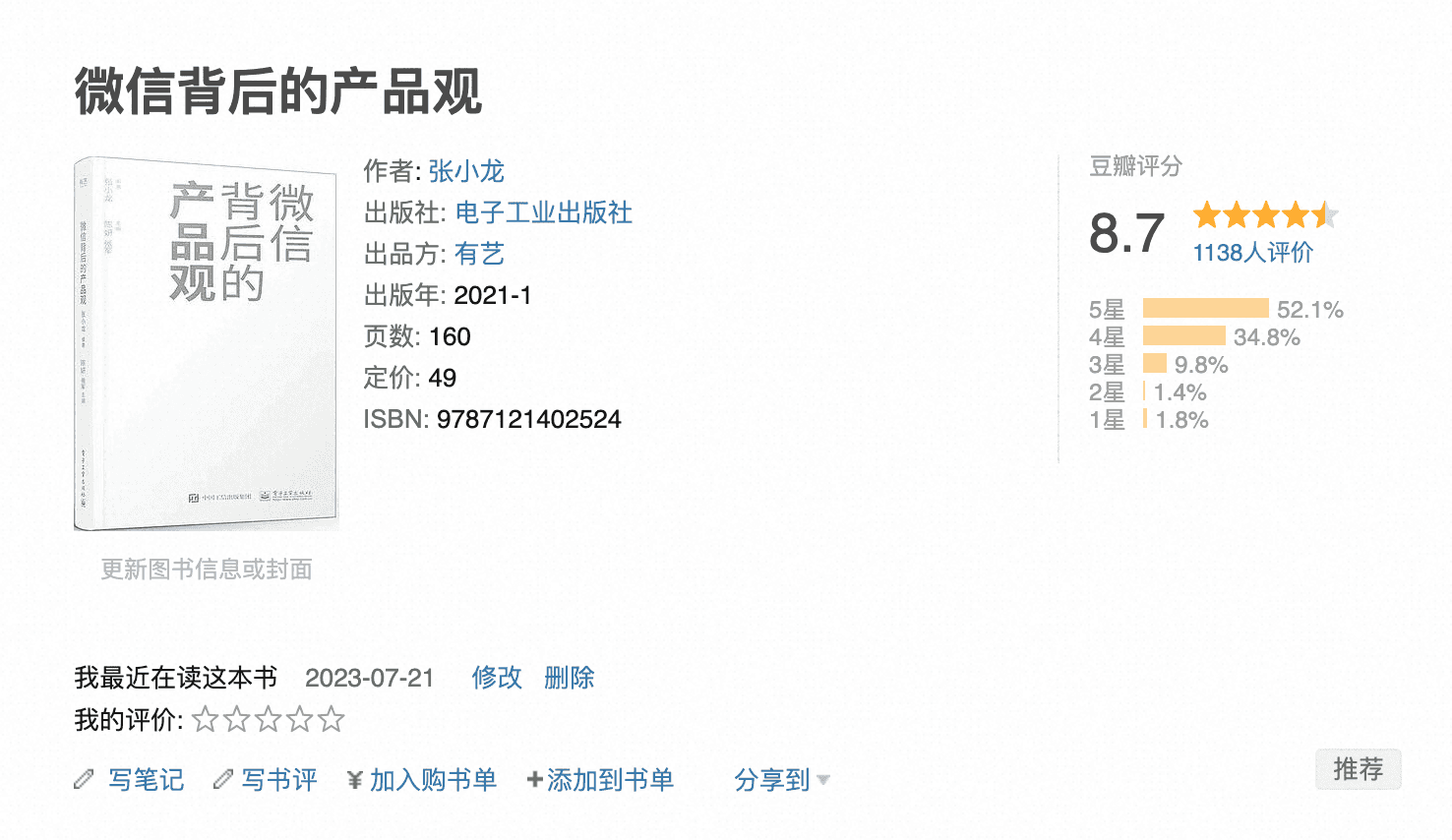
1 This Book and Its Author Zhang Xiaolong Graduated in 1994 from the Department of Telecommunications, Huazhong University of Science and Technology, with a master’s degree. In 199...
1 This Book and Its Author


Zhang Xiaolong
Graduated in 1994 from the Department of Telecommunications, Huazhong University of Science and Technology, with a master’s degree.
In 1997 he independently developed Foxmail, becoming one of China’s early Internet software developers. Before joining Tencent, he served as Vice President of Bodao Company, working in the enterprise email field and accumulating many years of Internet product experience.
He joined Tencent in 2005, leading the team that built QQ Mail into one of China’s largest email service providers; in 2011 he launched WeChat, earning the title “Father of WeChat.” In 2012 he was promoted to Group Vice President, overseeing WeChat, email, and related teams. In May 2014, Zhang was elevated to Executive Vice President of the Group, taking overall responsibility for the WeChat Business Group.
2 Recommendation
Excerpt from the back of the book
WeChat’s origin began with a simple idea from Zhang Xiaolong: “I wanted to create a communication tool for myself or a small group of people.” He believed that gaining user acceptance was straightforward—stick to the principle of “building a good tool,” and it can accompany a person for many years.
Today, from individuals to communities, from social networking to commerce, WeChat touches every aspect of our lives. It is a lifestyle, but not merely a lifestyle; because of WeChat, many imaginations become possible, and we continue to explore even more possibilities.
This book is compiled from Zhang’s 8‑hour‑20‑minute internal Tencent presentation in 2012—the first time he shared his systematic thinking on the WeChat product philosophy. All manuscripts were organized by December 12 2016. Eight years later, it was decided to publish the work, hoping readers can see the original intention behind the WeChat product.
My Recommendation
A must‑read for every product manager, especially those focused on consumer‑facing (C‑end) products or user‑experience‑related roles.
From it you can learn not only the deeper thinking behind specific features, but also how to respect users and deliver great experiences.
3 Book Contents
4 Classic Cases
This section selects several cases that moved me in relation to user experience (with some newer examples added).
QR Code: Understanding the Future Beats Mere Requirements
(Image unavailable — originally hosted on an internal network)
Unlike ordinary attractions, this tourist spot uses a QR code to direct users to a Wikipedia page for the site’s introduction. Wikipedia’s advantage is that it offers richer, more detailed information. The insight is that this approach can be replicated at other attractions, replacing the traditional reliance on signposts for additional details.
Thus we began to imagine a system that would popularize QR codes across China. Many people still haven’t paid attention to QR codes; if I said they would be everywhere in a year, few would believe me.
Compared with “requirements,” a grasp of the future can be more important than current needs. I enjoy imagining how users will interact with my product down the line and how future objects will communicate.
Four Tabs: Design Is Classification
When we say design is classification, we mean that many product shortcomings stem from poor categorization. Almost all work can be traced back to this point. Whether it’s writing a simple copy, a user notification, or defining a product feature, the key question is whether the classification is well done. Good classification makes the product feel friendly and understandable to users and keeps its structure clear.
The simpler the classification, the easier it is to accept. QQ Mail is a good example: it has grown and amassed many users, yet users don’t notice any drastic changes, and it hasn’t become overly complex. Too many changes can cause user discomfort.
WeChat will evolve, but its structure and interface remain simple.
WeChat has four tabs, and we committed to keeping it at four tabs for at least two years (rejecting the idea of giving Moments its own separate tab).



Setting a Profile Picture: Product or Operations? Let Users Drive Users
We often think that when a user’s behavior is suboptimal, we can “educate” or “guide” them through system nudges to meet our expectations.
For example, early on many WeChat users had the default gray avatar. To encourage them to set a personal picture, we could try many tactics: force a picture during initial setup, turn it into a “task” with a reward, etc. Those methods work, but overuse makes them feel heavy.
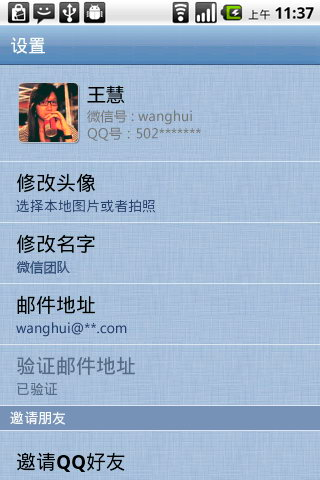
In the earliest WeChat versions, users’ messages did not display a profile picture; later we added the avatar display. When users saw that their own avatar was missing, they quickly set one themselves. This design is far more natural than forcing the change through other steps, because it is user‑initiated rather than “guided.”


A line from Wang Xing on FanFou:

Plugin Design: Giving Users Choice
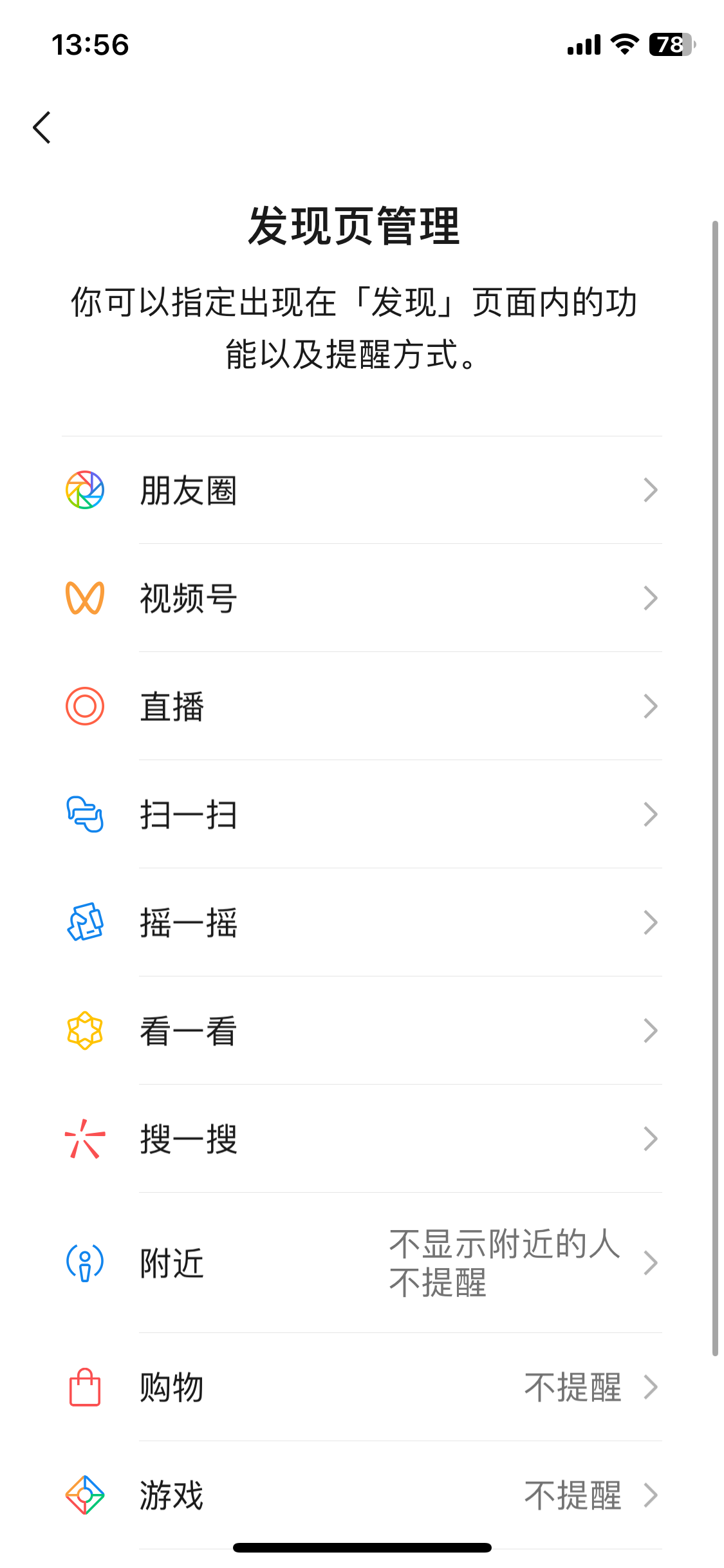
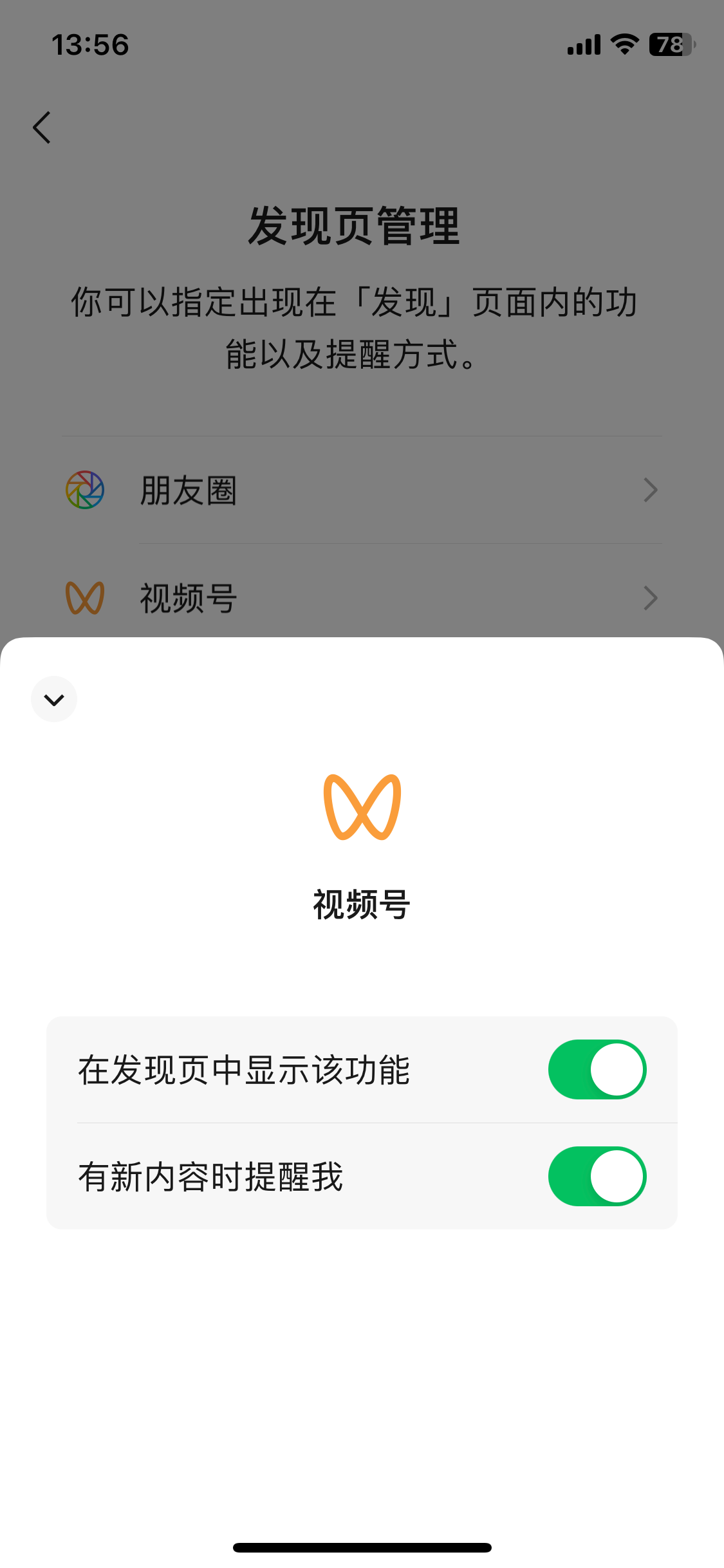
To keep WeChat simple, most features beyond the core are implemented as plugins that can be uninstalled. Even large functions such as Moments or voice/video calls can be removed.
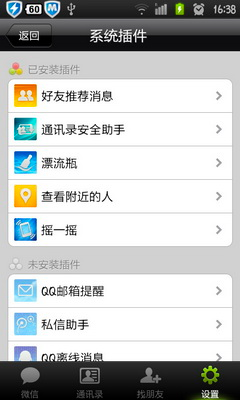
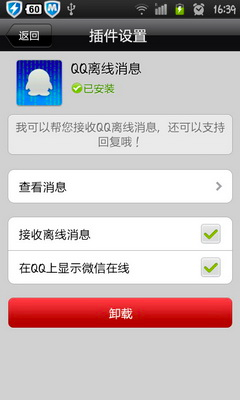
To this day, WeChat remains like that.
Privacy Protection: Respecting Users
Basic privacy safeguards: uploading contacts requires consent; location‑based services (LBS) must disclose location exposure; never manipulate users.


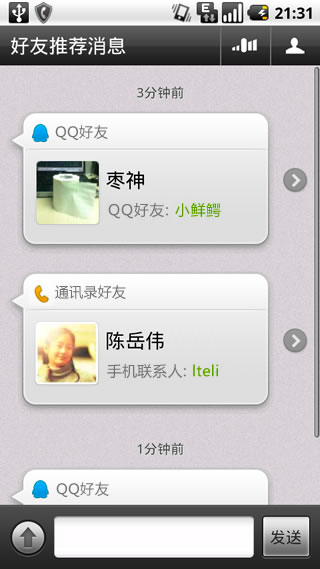
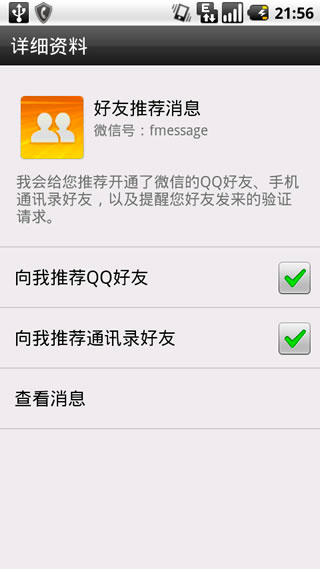
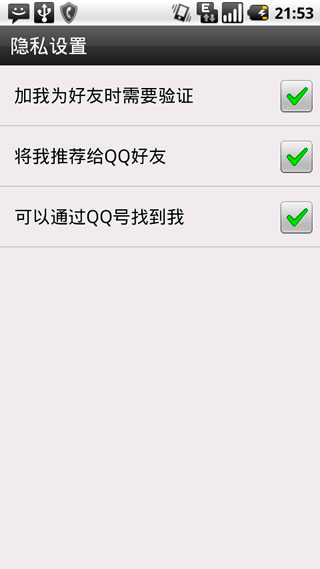
Friend recommendation messages: “We recommend friends from your QQ contacts and phone address book, and remind you of pending friend requests.”
Product‑Manager Signature: Respecting Users
A human‑touch signature: System Administrator vs. WeChat Product Manager

Product Temperament: Conveying Values Through the Product

WeChat is a lifestyle.
Having a strong purpose for building a product is crucial—do we have the desire to change the world?
When we possess our own purpose and philosophy, the product’s ambition rises. This mindset influences not only the big picture but also the tiniest details. For instance, to onboard users, we could automatically import every phone contact and QQ friend into WeChat. WeChat never does that; instead, it offers users a choice, recommending which friends to add.

WeChat 4.2 Welcome Page
Once you wasted time on Weibo, now you’re idling away in WeChat; you think the phone connects you to the world, but it’s just a screen that gives you a false sense of security; it’s time to put the phone down and meet friends face‑to‑face—if not, try a WeChat video call; send fewer messages, meet friends more often.
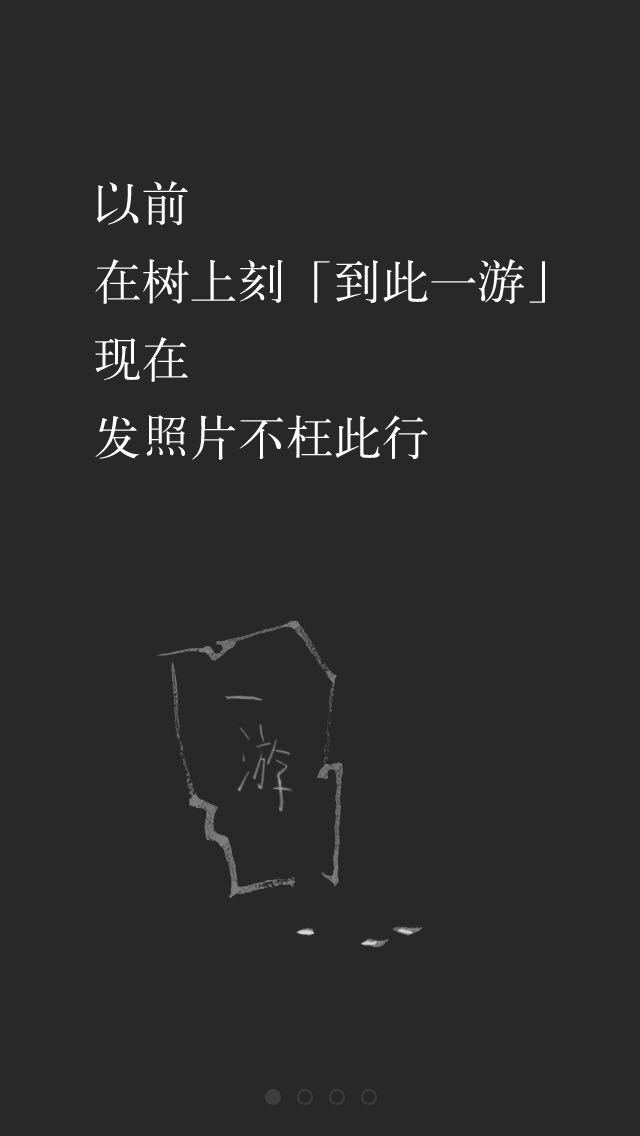
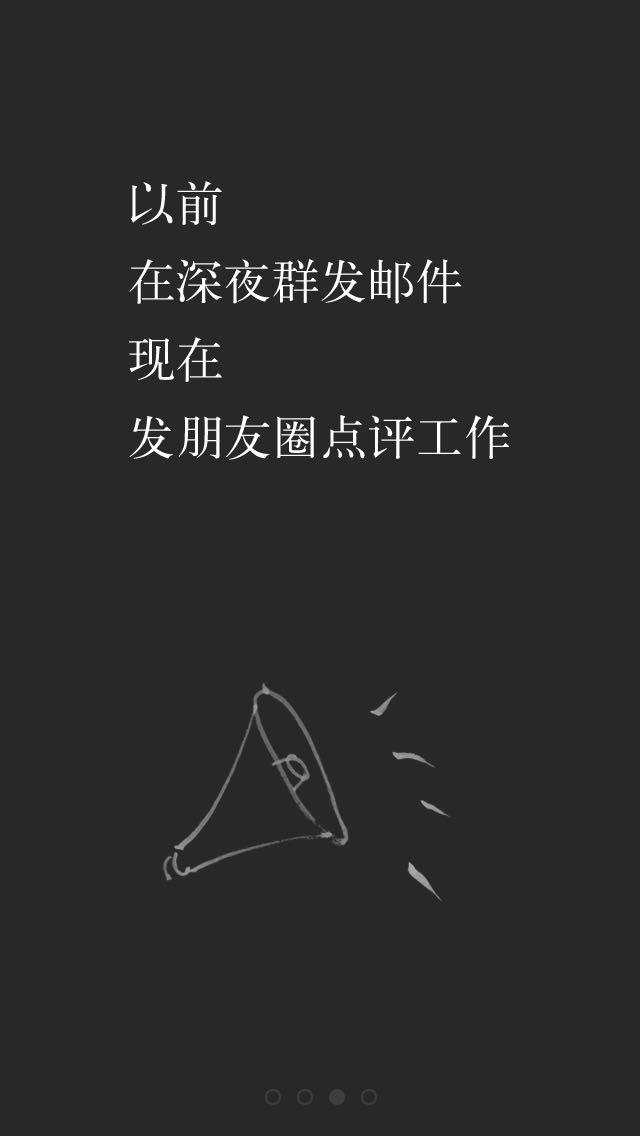

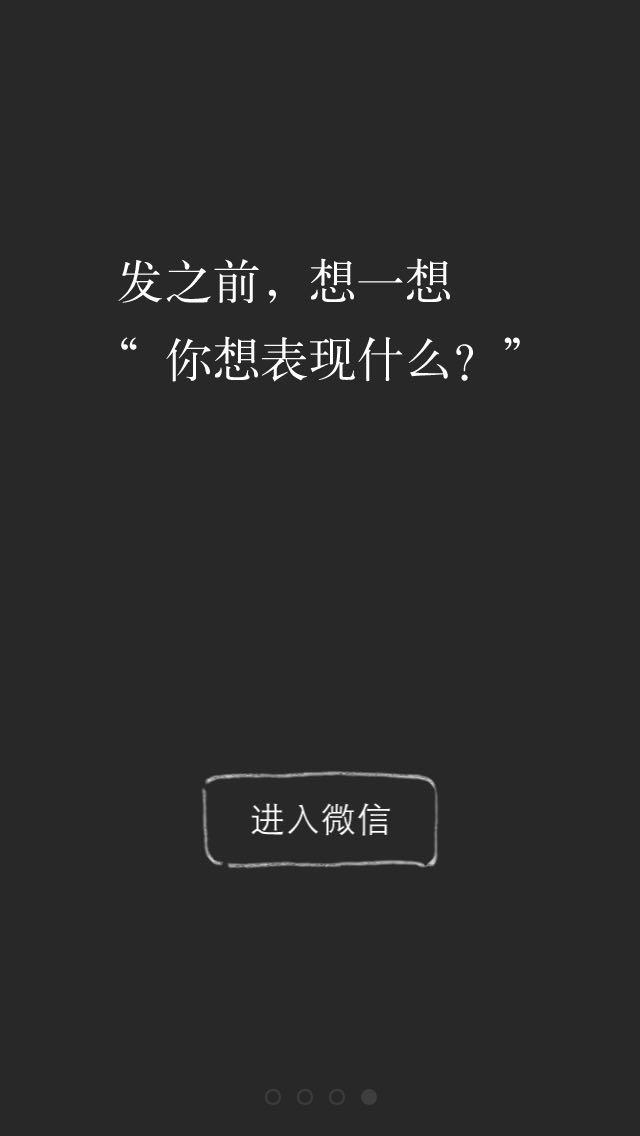
WeChat 6.3.5 Welcome Page
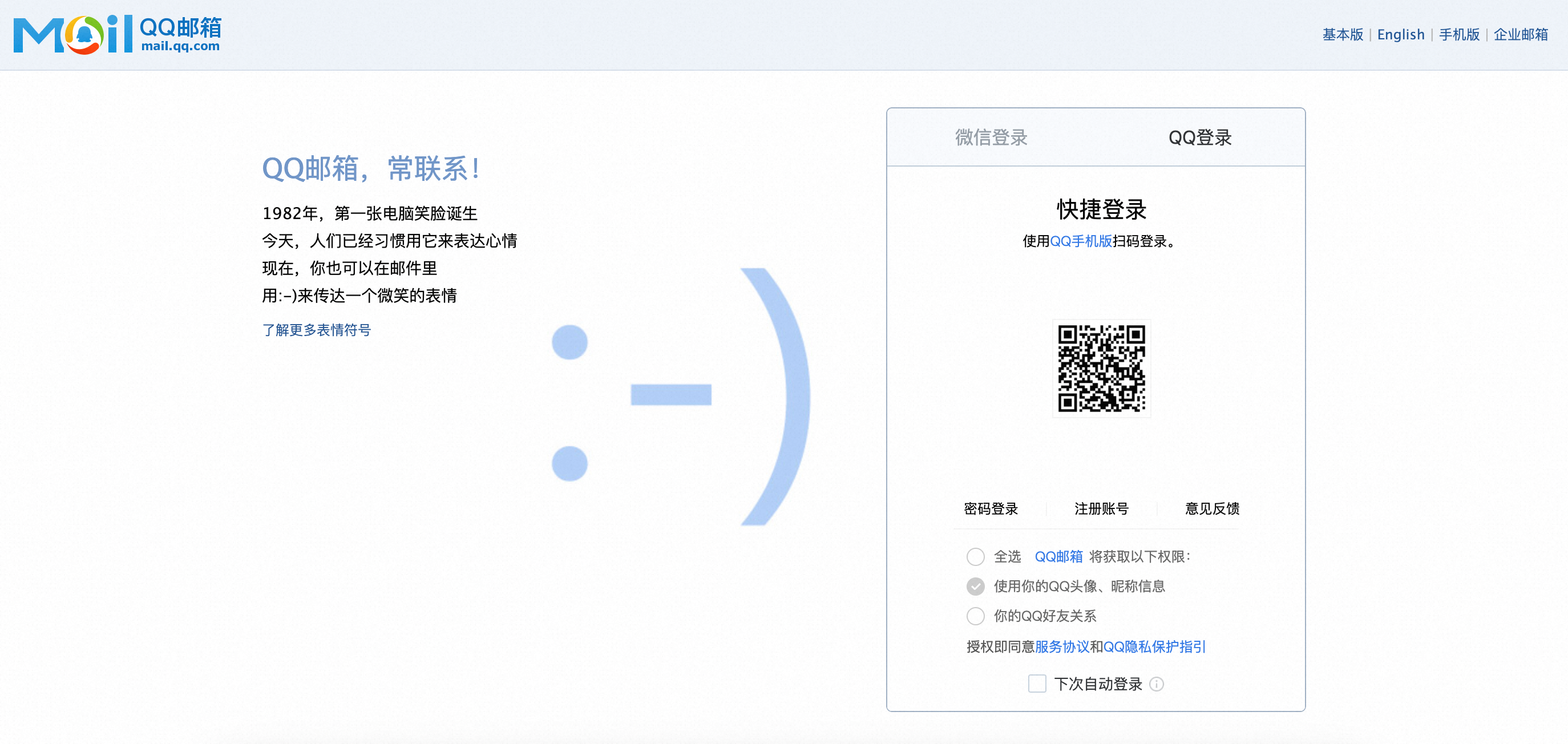
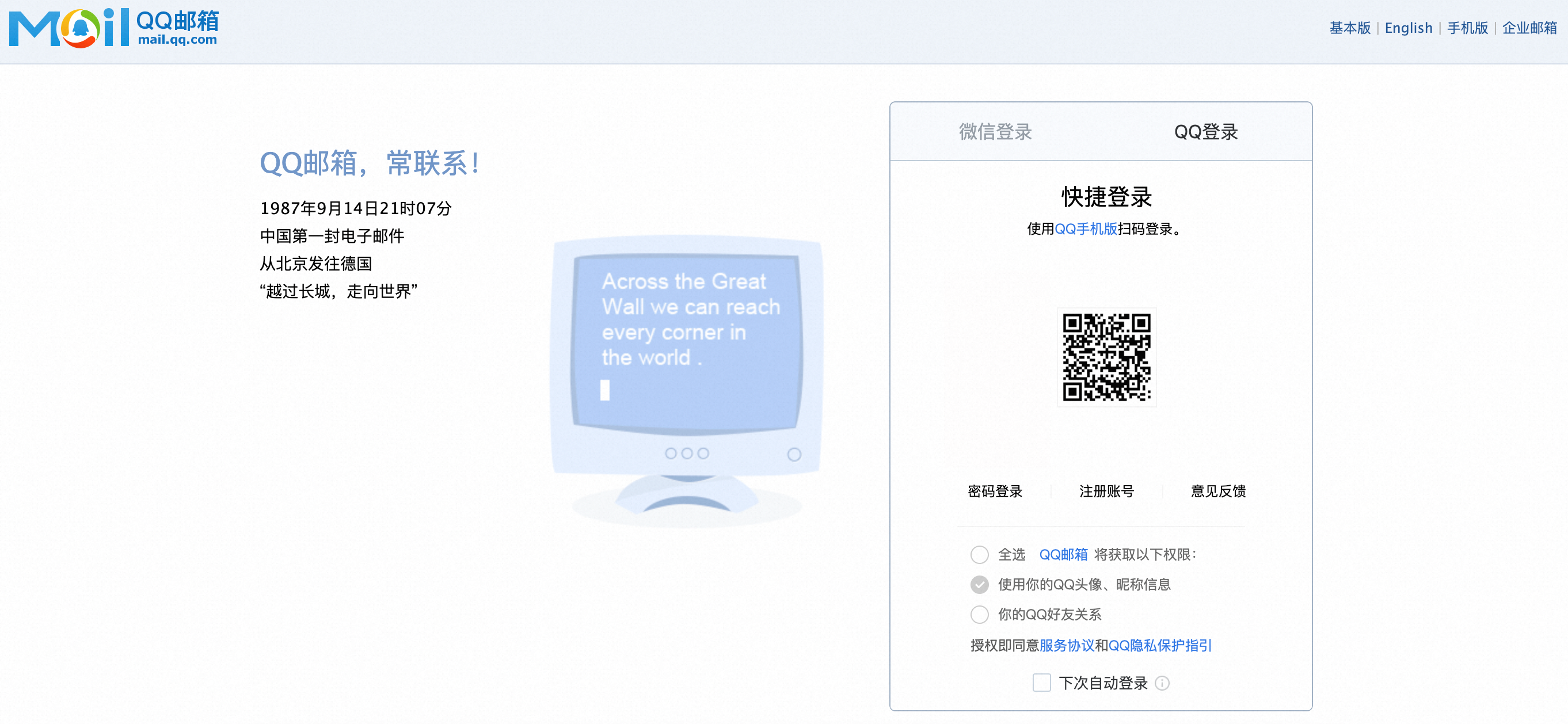
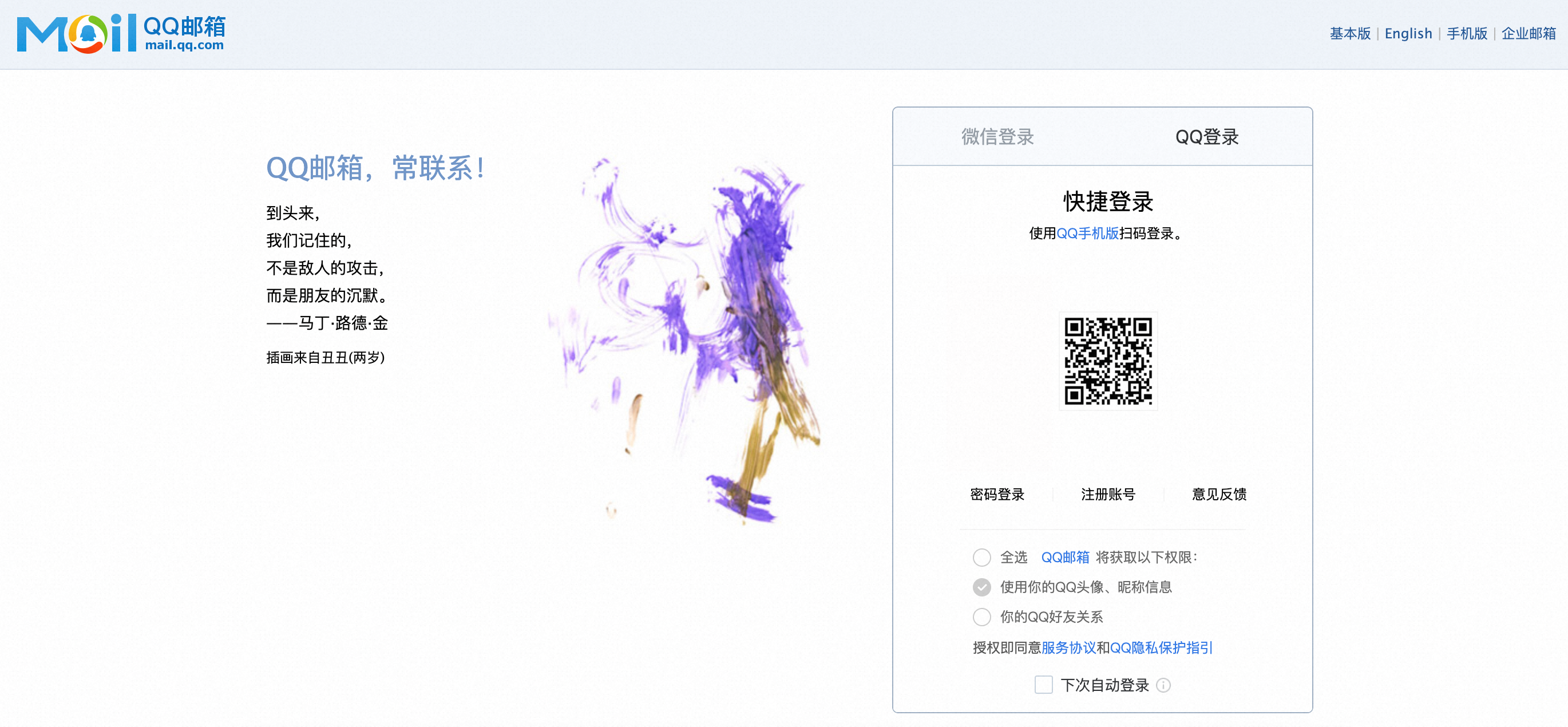
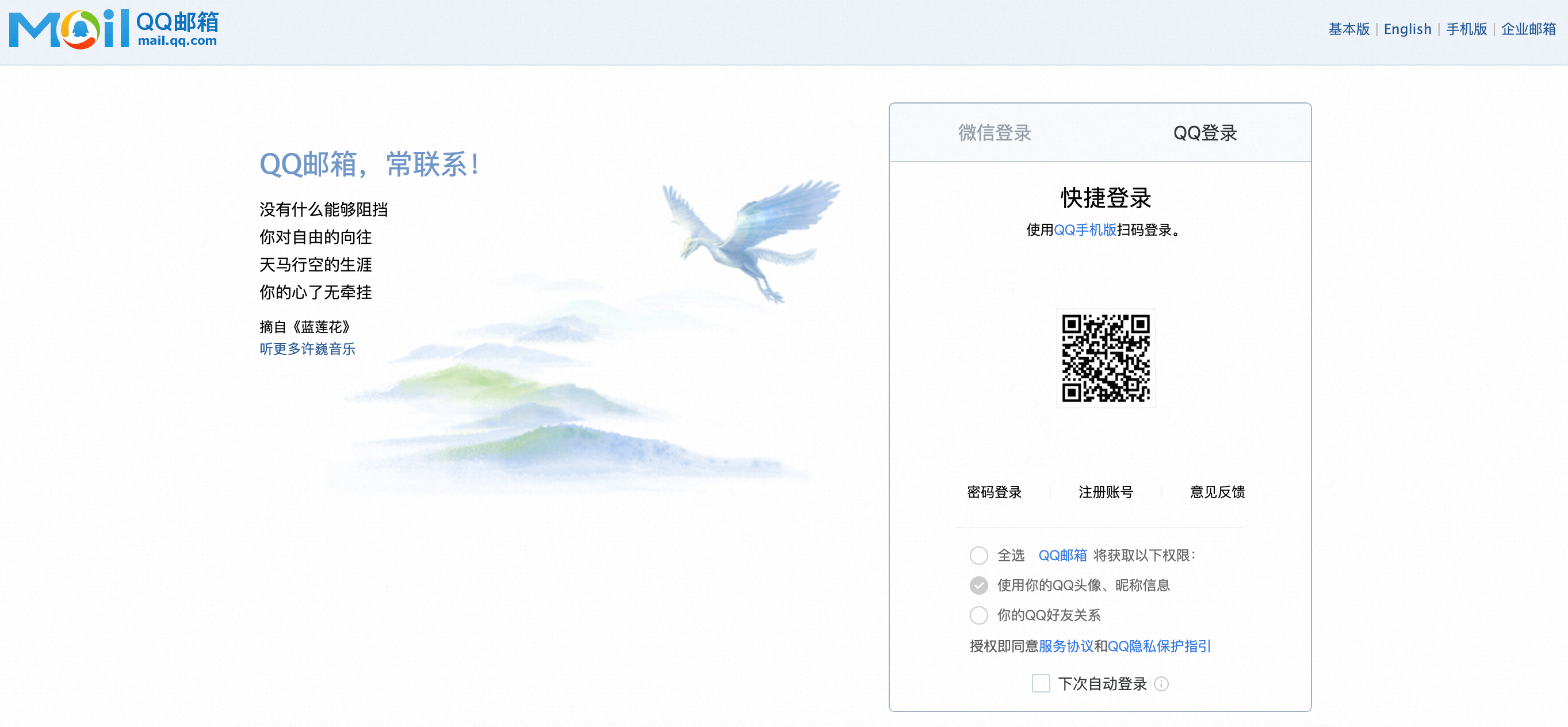
QQ Mail Login Page: Letting a Technical Product Convey Humanistic Awareness
5 Everything I Say Is Wrong
What I’ve said above may all be wrong. Don’t assume that because Zhang Xiaolong said it, it must be correct; don’t just photograph it and follow it blindly later.
That’s not how it works.
Everyone has their own way of solving problems; there is no eternally correct dogma.
Appendix
WeChat Release Log
WeChat Public Account “A Product Dog’s Confession”
Recording product insights, reflections, and reading notes.
Follow the QR code to stay updated and avoid losing touch.

Originally written by Estela Young and published in Chinese on 一只产品汪的自白. Translated and edited for DriftSeas with permission.
Keywords
Sources & References
- [1]一只产品汪的自白