Six Classic Experiments in Social Psychology
Estela Young
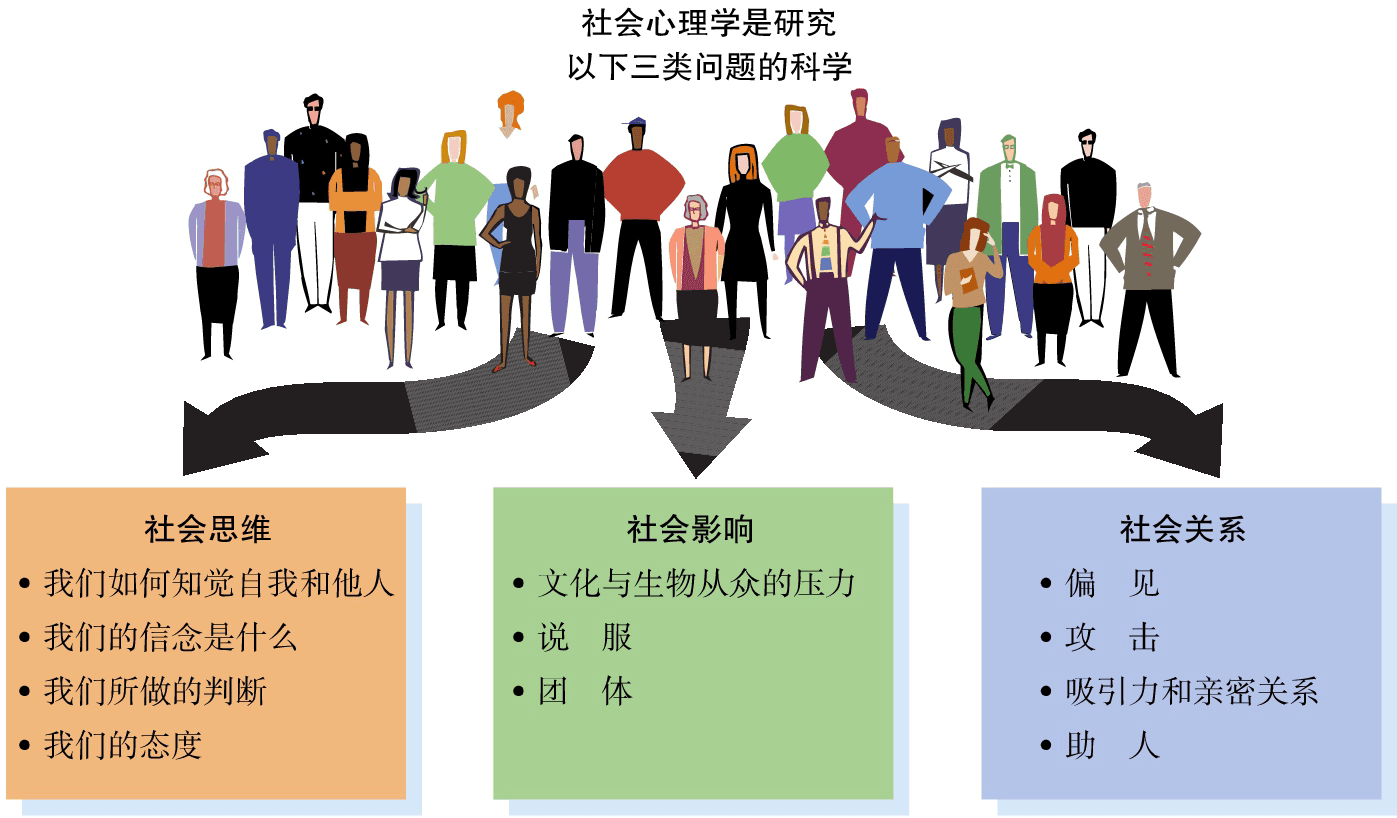
0 What Social Psychology Studies Social psychology is the scientific study of the forces of the situations around us, especially focusing on how we perceive others and how we influ...
0 What Social Psychology Studies
Social psychology is the scientific study of the forces of the situations around us, especially focusing on how we perceive others and how we influence others. More precisely, social psychology is a discipline that scientifically investigates how people view others, how they influence others, and how they are interconnected.
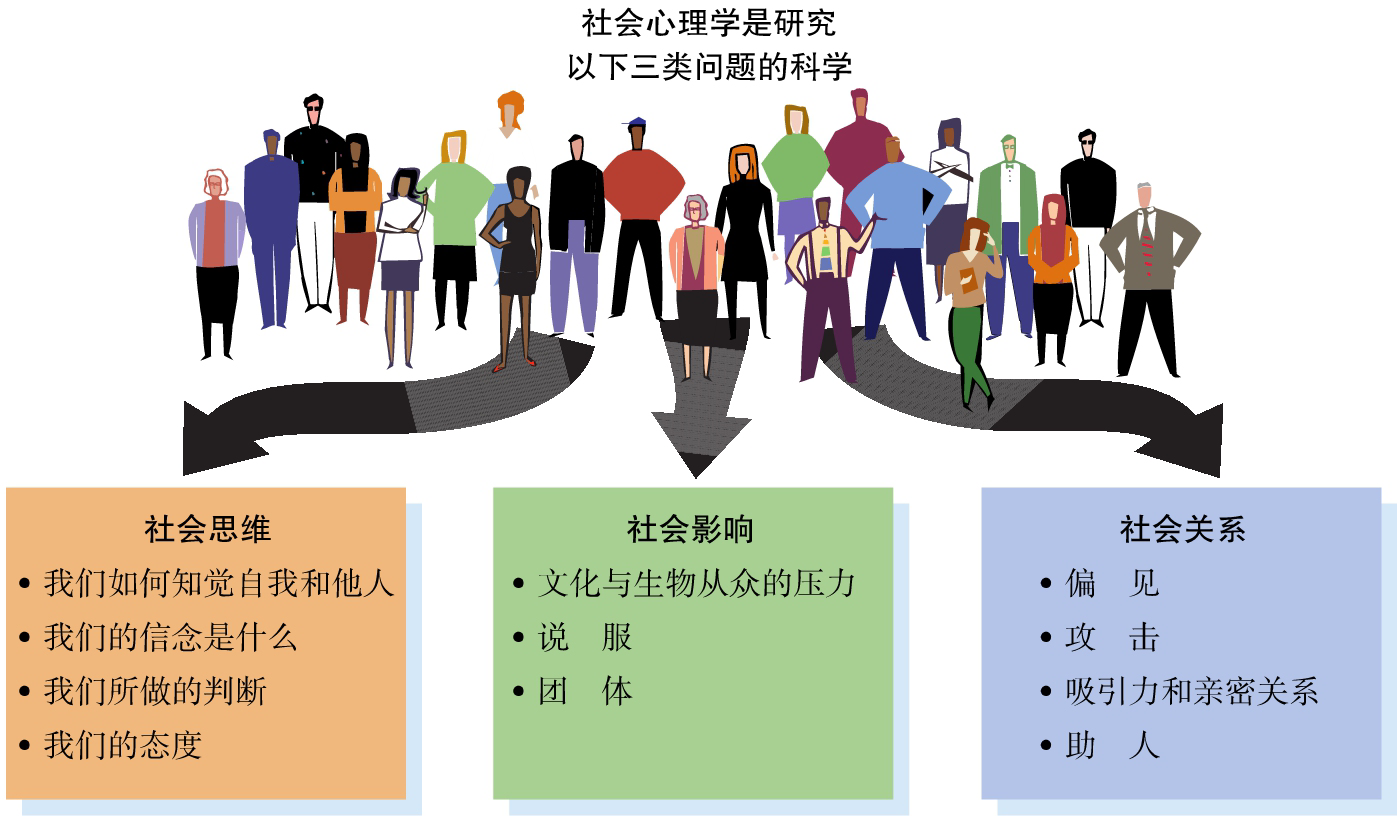
The social‑psychology experiments mentioned below are mostly within the domain of “social influence.” Details follow.
1 The Rosenthal Effect: Becoming the Person You or Others Expect
When the experiment was conducted
1968 – Dr. Rosenthal (later taught at Harvard University and the University of California)
What the experiment involved
In a rural elementary school, three classes from grades 1 through 6 were selected for a “future development trend test.” After the test, Rosenthal gave the school a list of “most promising students,” instructing the staff to keep it confidential so as not to jeopardize the experiment’s validity.
Conclusion of the experiment
Results
Eight months later, the students on the list showed a marked improvement in grades, became more outgoing, and displayed higher confidence and curiosity. The students on the list had actually been chosen at random.
Explanation
The false label “most promising” suggested to teachers that those students were especially capable, shaping the teachers’ evaluations. Teachers then transmitted this expectation to the students through their emotions, language, and behavior, leading to unusually rapid progress across multiple domains.
Related theory
- Rosenthal effect: behavior changes that become consistent with others’ expectations and affection, also known as the “interpersonal expectancy effect” or “Pygmalion effect.”
- It can be broken down into two situations
- “One’s expectations of others” influence “others’ self‑views,” prompting self‑validation that aligns performance with the expectation.
- “One’s expectations of others” influence “one’s behavior toward others,” causing the others to perform in line with the expectation.
- Related concept: a self‑fulfilling prophecy is when we inadvertently make our own predictions come true.
Applications
Education and management
2 The Stanford Prison Experiment: The Underestimated Power of Situations
When the experiment was conducted
August 14–20, 1971 – Stanford University – Philip Zimbardo
What the experiment involved
Original goal
“We wanted to see what the psychological effects of being a prisoner or a guard are. To that end, we decided to create a simulated prison and closely observe how the institution influences the behavior of everyone inside its walls.”
Method
Twenty‑four male volunteers, screened beforehand for normal psychological health, were assigned by coin toss to be either “guards” or “prisoners” in a mock prison, and their behavior was observed.
Conclusion of the experiment
Results
Participants quickly embraced their assigned roles. Some “guards” adopted authoritarian measures that psychologically tormented “prisoners,” while many “prisoners” passively accepted the abuse and, at the guards’ prompting, harassed fellow inmates who tried to resist. The study was planned for two weeks but was terminated after six days.
- “Prisoners” refused guard orders; guards worked overtime to suppress the rebellion, even using fire extinguishers on prisoners.
- A privileged cell was created for more efficient control.
- Solitary confinement, corporal punishment, removal of mattresses, forced nudity, restricted bathroom access, and deteriorating sanitary conditions were imposed.
- The experiment was halted only after an outside observer intervened and the researchers recognized the abusive behavior.
Explanation
The Stanford Prison Experiment serves as a cautionary tale: underestimating the influence of social roles and external pressures can lead anyone to act in ways they might not otherwise imagine. The situation—the simulated prison—rather than personal personality traits drove participants’ behavior. This situational attribution aligns with the findings of Milgram’s obedience experiments, where random participants complied with orders to deliver seemingly dangerous electric shocks to a confederate.
Applications
Think about recent social‑news events that could be explained by this experiment.
QUIET RAGE – a documentary on the Stanford Prison Experiment, including original footage.
3 The Moving‑Dot Experiment: How Social Norms Shape Individual Responses
When the experiment was conducted
1936 – Recorded in The Psychology of Social Norms by Sherif
What the experiment involved
Method
In a dark room, a light dot appeared on a screen, and participants were asked to judge its direction and distance of movement (see illustration). The dot actually did not move; a motion‑inducing illusion created the perception of movement.
Participants were divided into two groups:
- Group 1 judged the dot individually first, then collectively.
- Group 2 judged collectively first, then individually.
Conclusion of the experiment
Results
- Group 1: Individual judgments were highly variable; after the collective judgment, the values converged.
- Group 2: Collective judgments were already consistent, and the subsequent individual judgments remained relatively consistent.
Explanation
Sherif’s work on norm formation examined conformity in ambiguous situations. The experiment shows that when a social group lacks a shared norm, each member follows their own response pattern; once a norm is established, judgments become uniform. The theoretical basis is that social norms arise from shared interaction and, once internalized, become a recognized social force. When internalized as personal standards, they complete the process of individual socialization.
From a psychological perspective, stereotypes, fashions, habits, traditions, and attitudes are all examples of socially determined norms and values that serve as reference points for behavior. Once such a reference system is established and internalized, it influences an individual’s response to both social and nonsocial situations, especially when the stimulus environment is under‑specified.
Applications
4 The Line Length Experiment: Trusting Yourself or Trusting Everyone Else?
When the experiment was conducted
1956 – Solomon Asch’s study of group pressure
What the experiment involved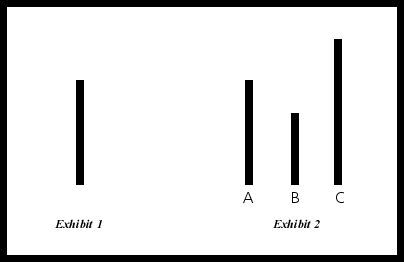
Goal
To investigate the specific manifestations, origins, and causes of conformity.
Method
College students were placed in groups of seven, seated in a row. Six were confederates; one was the true participant. The experimenter showed a card with a standard line (X) and another card with three comparison lines (A, B, C). One of the three lines was exactly the same length as X (see illustration). Participants were asked to identify which of A, B, C matched X.
The true participant was always positioned last. In the first two trials, all gave correct answers. From trial three to twelve, the six confederates deliberately gave the wrong answer, allowing observation of whether the real participant would conform.
Conclusion of the experiment
Results
- About 25–33 % of participants remained independent and never conformed.
- On average, participants conformed 35 % of the time.
- Approximately 15 % of participants conformed on 75 % of the trials.
Explanation
Post‑experiment interviews led Asch to categorize conformity into three types:
- Perceptual distortion – participants used others’ responses as a reference, leading to a misperception of the stimulus.
- Judgment distortion – participants recognized that their perception differed from the group’s but assumed the majority must be correct, resulting in a biased judgment.
- Behavioral distortion – participants knew the group was wrong yet still gave the same (incorrect) answer, reflecting a change in overt behavior.
Related theory
Conformity arises from informational and normative pressures within a group.
- Informational pressure – people assume that the majority is more likely to be correct, especially under ambiguity, and thus rely on the group’s judgment (see Sherif’s conformity experiments).
- Normative pressure – individuals fear being labeled deviant or isolated, so they adopt the group’s stance to avoid standing out.
Applications
“Why do absurd conclusions in meetings go unchallenged?”
5 The Shock Experiment: Why Did Nazi Followers Carry Out the Holocaust?
When the experiment was conducted
Stanley Milgram, Yale University
1963 – Journal of Abnormal Psychology published “Behavioral Study of Obedience.”
1974 – Book Obedience to Authority: An Experimental View released.
What the experiment involved
Purpose
To determine how much “resistance” humans can muster when ordered by an authority figure to act against their conscience.
Background – The experiment began in July 1961, a year after Adolf Eichmann’s trial and execution. Eichmann and millions of other Nazi followers participated in the horrific genocide of Jews. Why did they commit such atrocities? Were they merely obeying orders, and can they be called perpetrators of the Holocaust?
Method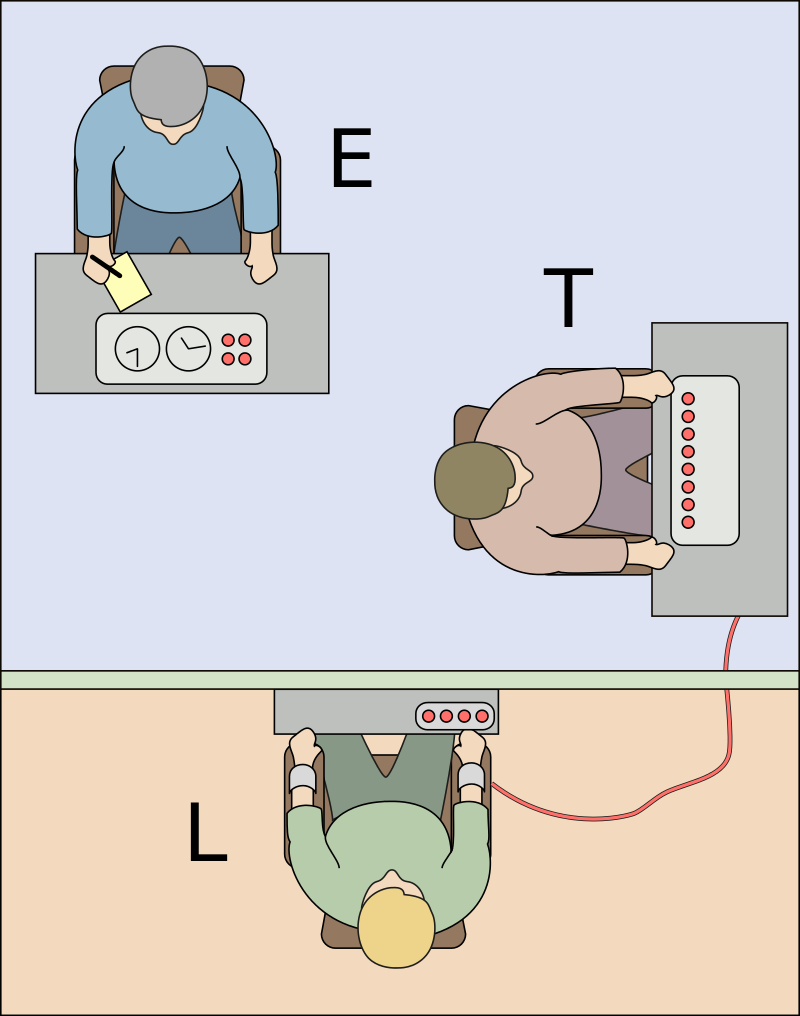
- Participants were told the study examined how “teacher punishment of students affects student behavior.” They were randomly assigned by lottery to be “teacher” or “student.”
- The “teacher” received a sheet of word pairs and was instructed, via microphone, to read each pair aloud while the “student” in the next room attempted to memorize them. Teachers were told they could administer electric shocks to the student for each incorrect answer, with the voltage increasing up to a maximum of 450 V.
- The real participant always played the teacher; the “students” were confederates who pretended to receive shocks.
Conclusion of the experiment
Results
- Milgram predicted only 1–2 % would continue to the maximum 450 V.
- In fact, 63 % of participants delivered shocks up to 450 V.
Explanation
Milgram concluded that “people are obedient.” When faced with an authority figure or institution, individuals tend to obey without questioning, even when orders conflict with personal morals. In The Lucifer Effect, Milgram wrote: “When the dominant experimenter orders participants to harm another person, even the sound of the victim’s screams, most participants continue to obey despite intense moral distress. The study reveals the extraordinary willingness of adults to comply with authority, even to the point of committing acts they would otherwise deem unacceptable.”
Applications
6 The Smoke‑Filled Room Experiment: Does Bystander Apathy Reflect Human Coldness?
When the experiment was conducted
Daryl J. Bem and John Latané
What the experiment involved
Purpose
Background – On March 13, 1964, 28‑year‑old Kitty Genovese was attacked near her apartment. The assault lasted over 30 minutes; she repeatedly called for help, yet only one person called the police while the others did nothing. She died on the way to the hospital. Investigations later revealed that 38 witnesses heard or saw the attack but failed to act. The case shocked American society and sparked debate over human indifference.
Method
Participants completed a questionnaire in a room and were placed into three conditions:
- Solo group – one genuine participant alone in a room.
- Real‑three group – three genuine participants together.
- Fake‑three group – one genuine participant plus two confederates (experiment assistants) together.
During the session, an emergency was simulated: dense, unknown smoke entered the room through a vent. Observers recorded participants’ reactions. (In the multi‑person conditions, the confederates continued filling out the questionnaire and did not leave the room.)
Conclusion of the experiment
Results
- In the solo group, 75 % reported the smoke to the experimenter.
- In the real‑three group, only 38 % reported it.
- In the fake‑three group, the reporting rate dropped to 10 %; some participants never reported the smoke even as it caused eye‑irritation and coughing by the end of the session.
Explanation – Bystander effect
- Diffusion of responsibility – the more people present, the less responsibility each feels, reducing helping behavior.
- Ambiguity of the situation – when individuals cannot determine whether a situation is truly urgent, they look to others’ behavior to define it, which then guides their own response.
- Evaluation apprehension – people modify their behavior to meet perceived expectations of observers, avoiding social disapproval, which can suppress helping.
Applications
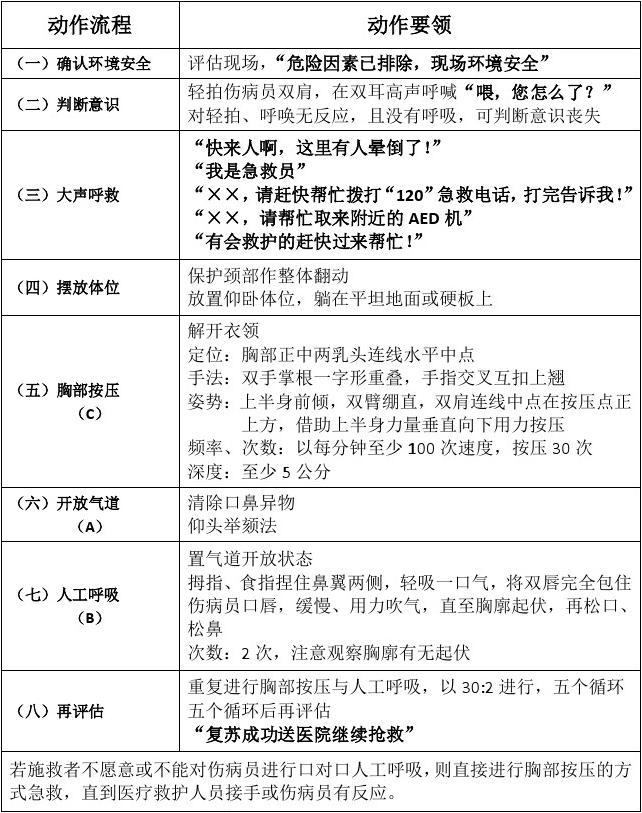
In CPR emergencies, callers should specify a target: “The woman in the blue shirt, please call 120,” or “Gentlemen, can someone check for an AED?”
WeChat public account – A Product Dog’s Confession
Recording product insights, reflections, and reading notes.
Follow for updates; scan the QR code to stay connected.

Originally written by Estela Young and published in Chinese on 一只产品汪的自白. Translated and edited for DriftSeas with permission.
Keywords
Sources & References
- [1]一只产品汪的自白